

July 2026
Most Common Types of Wounds: Understanding Arterial, Venous, Diabetic, Pressure, and Infectious Wounds
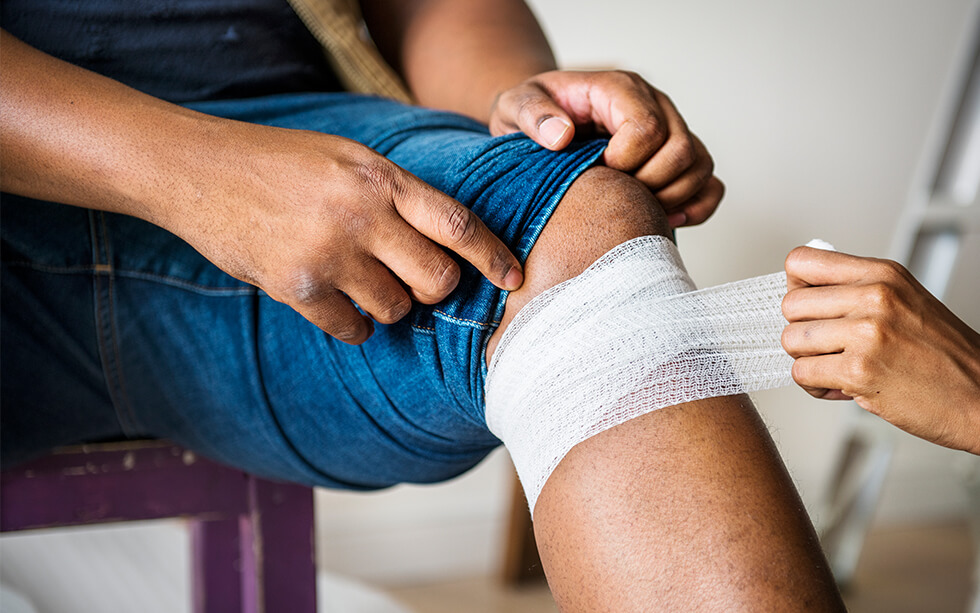
Not all wounds heal the same way. While some cuts or injuries improve quickly with basic care, others become chronic and require specialized treatment to prevent serious complications.
Many non-healing wounds are linked to underlying health conditions such as diabetes, poor circulation, infection, or limited mobility. When the body cannot properly deliver oxygen and nutrients to damaged tissue, healing may slow significantly.
At MVS Wound Care & Hyperbaric Medicine, we treat a wide range of chronic wounds using advanced therapies, including Hyperbaric Oxygen Therapy (HBOT), to support healing and improve outcomes.
Understanding the different types of wounds and how they develop is an important step toward recognizing when specialized care may be needed.
Why Some Wounds Become Chronic
A wound is generally considered chronic when it does not heal within about four weeks. In many cases, delayed healing is caused by an underlying condition that interferes with circulation, oxygen delivery, or the body’s natural healing response.
Chronic wounds are more than a surface-level issue. Without proper treatment, they can increase the risk of infection, tissue damage, hospitalization, and reduced mobility.
Some of the most common chronic wounds treated in advanced wound care centers include:
- Arterial wounds
- Venous leg ulcers
- Diabetic foot ulcers
- Pressure ulcers
- Infectious wounds
- Non-healing surgical wounds
Each type of wound has unique causes and treatment needs.
Arterial Wounds
Arterial wounds develop when blood flow through the arteries becomes restricted, often due to peripheral artery disease or other circulation problems.
Because arteries deliver oxygen-rich blood throughout the body, poor circulation can make it extremely difficult for wounds to heal properly.
Arterial wounds are commonly found on the feet, toes, or lower legs. They may appear deep, painful, and slow to heal. The surrounding skin may feel cool or appear pale due to reduced blood flow.
Without proper treatment, arterial wounds can worsen quickly and may lead to serious complications.
Venous Leg Ulcers
Venous wounds, also called venous leg ulcers, occur when veins in the legs struggle to return blood back to the heart efficiently.
This poor circulation causes fluid buildup and pressure in the lower legs, which can damage the skin and contribute to wound formation.
Venous ulcers are often located around the ankles or lower legs and may be accompanied by swelling, skin discoloration, or aching in the legs.
These wounds can become chronic if circulation issues are not properly addressed.
Diabetic Foot Ulcers
Diabetic foot ulcers are one of the most common types of chronic wounds.
Diabetes can damage both blood vessels and nerves, reducing circulation and sensation in the feet. As a result, small cuts, blisters, or pressure injuries may go unnoticed and gradually worsen over time.
Patients with diabetic wounds may experience:
- Slow healing
- Numbness in the feet
- Increased infection risk
- Skin breakdown or open sores
Without early treatment, diabetic foot ulcers can become severe and may increase the risk of amputation.
This is why routine foot checks and prompt wound evaluation are especially important for individuals with diabetes.
Pressure Ulcers (Bedsores)
Pressure ulcers develop when prolonged pressure limits blood flow to the skin and underlying tissue.
These wounds are most common in individuals with limited mobility, including patients who spend extended periods in bed or in a wheelchair.
Pressure ulcers often develop on areas where bones are close to the skin, including:
- Heels
- Hips
- Tailbone
- Elbows
In the early stages, pressure ulcers may appear as redness or skin irritation. More advanced wounds can extend deep into the tissue and become difficult to treat.
Preventing prolonged pressure and addressing wounds early are critical for improving healing outcomes.
Infectious Wounds
Some wounds become chronic because of infection. Bacteria can interfere with tissue repair and damage healthy skin surrounding the wound.
Infected wounds may develop after injuries, surgical procedures, or untreated chronic wounds.
Common warning signs of infection include:
- Increased redness or swelling
- Drainage or pus
- Persistent pain
- Fever
- Odor coming from the wound
If left untreated, infections can spread and become serious very quickly.
Prompt treatment is essential to control infection and protect surrounding tissue.
How Oxygen and Circulation Affect Healing
One of the most important factors in wound healing is oxygen.
Your body relies on oxygen to repair damaged tissue, fight bacteria, and support new cell growth. When circulation is compromised, wounds may not receive the oxygen needed for proper healing.
Conditions such as diabetes, vascular disease, infection, or prolonged pressure can all reduce oxygen delivery to tissues.
This is one reason why advanced therapies like Hyperbaric Oxygen Therapy can play an important role in wound care treatment.
What Is Hyperbaric Oxygen Therapy (HBOT)?
Hyperbaric Oxygen Therapy is a specialized treatment that allows patients to breathe pure oxygen in a pressurized environment.
This process increases oxygen levels in the bloodstream and delivers more oxygen directly to damaged tissues.
By improving oxygen delivery, HBOT may help:
- Support tissue repair
- Reduce swelling and inflammation
- Help the body fight infection
- Promote the growth of new blood vessels
HBOT is commonly used for chronic wounds that have not responded to standard treatment, especially diabetic wounds and certain infectious wounds.
At MVS Wound Care & Hyperbaric Medicine, HBOT is part of a comprehensive care plan designed to support more effective healing.
When to Seek Specialized Wound Care
Not all wounds require advanced treatment, but some signs indicate it may be time to see a wound care specialist.
If a wound continues to worsen, shows signs of infection, or has not improved after several weeks, professional evaluation is important.
Patients with diabetes, circulation problems, or limited mobility should seek care early, even for smaller wounds, to reduce the risk of complications.
Early intervention can help improve healing, preserve mobility, and prevent more serious health issues.
Supporting Better Healing Starts With Expert Care
Chronic wounds can affect every aspect of daily life, but specialized treatment can make a significant difference in recovery.
At MVS Wound Care & Hyperbaric Medicine, our team provides advanced care for arterial wounds, venous ulcers, diabetic foot ulcers, pressure injuries, infectious wounds, and other chronic conditions. Through personalized treatment plans and advanced therapies like Hyperbaric Oxygen Therapy, we help patients move toward better healing and improved quality of life.
If you or a loved one is dealing with a wound that is not healing properly, contact MVS Wound Care today to schedule an evaluation and learn more about available treatment options.


Sorry, the comment form is closed at this time.